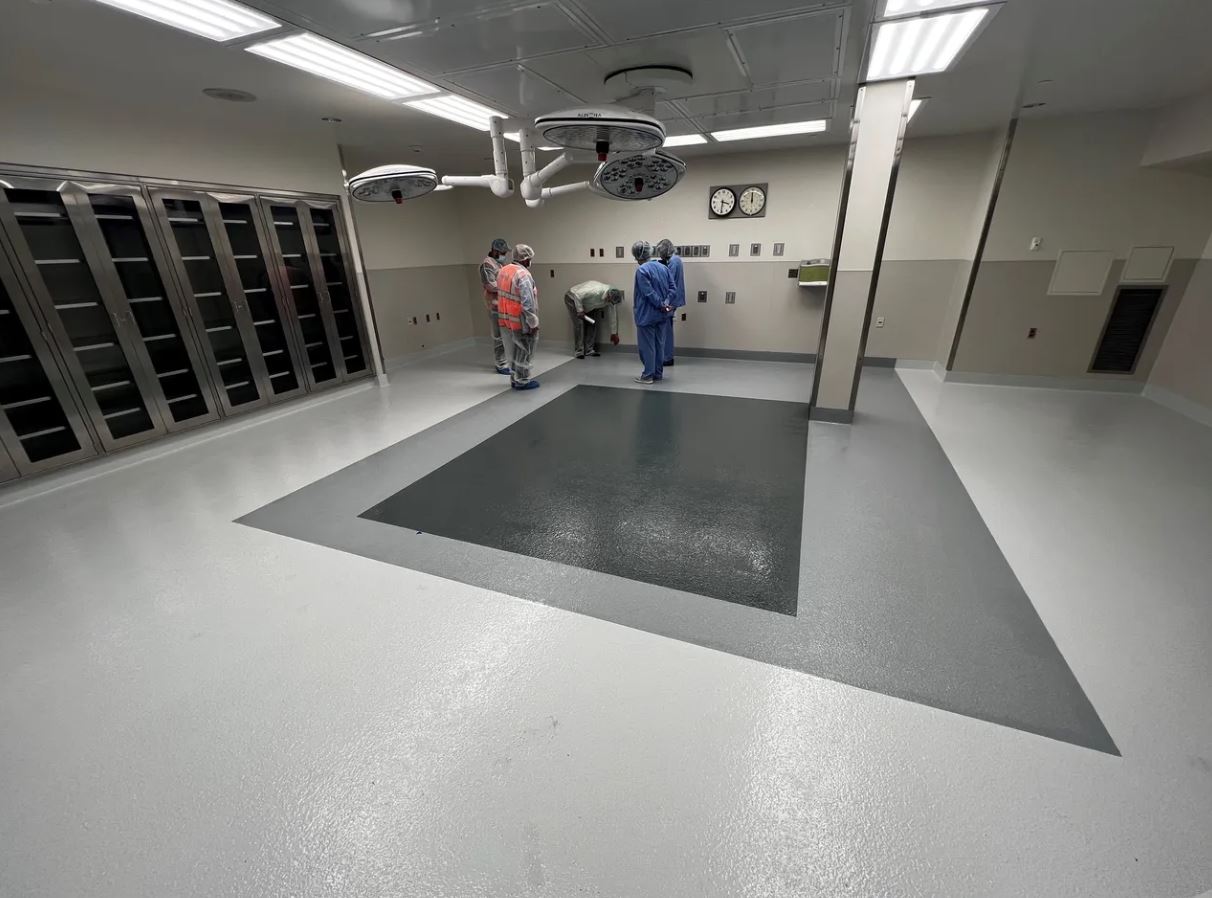
Concrete overlays are a thin layer of modified concrete applied to an existing concrete surface. It's like resurfacing. They are becoming popular in Castle Rock for many reasons.
People use them to update garage floors and create stylish looks in living rooms or commercial spaces like restaurants. Why? It costs less than replacing the entire concrete slab. It is also faster and less disruptive for businesses.
When we talk about flooring services, prep work matters. The existing concrete must be clean. You might have to grind it down to create a good bonding surface. If you skip this, the overlay could crack or peel.
Next, consider the application. You need the right mix, tools, and technique for a smooth finish. Also, sealing protects the overlay from stains, moisture, and wear, ensuring it lasts. Flooring services ensure the foundation of any flooring project is correct.
Searching for Local Flooring Contractor Castle Rock you can trust for professional service..When you talk about flooring installation services in Castle Rock, you deal with a diverse group. Each person has their own needs and expectations.
Homeowners often want something that boosts property value. They want it to look great and hold up to daily life. They want style and something easy to clean. Real estate investors think about ROI. They need flooring that appeals to renters or buyers. It needs to be installed fast and at a good price.
Small business owners have different concerns. They need flooring that handles foot traffic and looks professional. It must meet safety rules. Restaurants need slip-resistant surfaces. Retail spaces want something that fits their brand. Property managers juggle many properties. They need flooring that is tough and easy to care for. Repairs and replacements should not be expensive.
New construction builders work with blueprints and deadlines. They need contractors who deliver quality work on time and within budget. They try to coordinate many things. You need to be someone they can count on to do the job right.
Good surface preparation matters for a concrete overlay to bond. If you skip or botch this step, the overlay may crack or fall apart. Clean the existing concrete and remove debris, oil, or coatings. Grind or blast the surface to create a rough texture. This gives the overlay something to grab. Think of painting: You wouldn't paint over a dirty surface without sanding, right?
Mixing ratios must be correct when using concrete overlays. Too much water weakens the mix, leading to cracks. Too little water makes it hard to work with, causing poor adhesion. Always follow the manufacturer's directions and use measuring tools. Even a small change can hurt the overlay's performance. Don't guess!
Bad installation causes overlay failures. For example, applying the overlay too thinly, not packing the material well, or not controlling how it cures. Thin layers crack more easily. Poor consolidation leaves air pockets that weaken the overlay. Curing helps the concrete gain strength, so protect it from heat and moisture loss. Keep these points in mind.
Picking the wrong overlay material can cause problems. Different overlays suit different uses. A thin topping in a busy store will wear out fast. Think about the concrete's condition, how the space will be used, and the weather when picking your overlay. Talk to a concrete expert to pick the right product.
Bad weather when installing and curing can cause overlays to fail. Heat, sun, and moisture can hurt the concrete's hardening. Installing an overlay on a cold day can stop the concrete from setting. Check the weather and follow the manufacturer's advice for temperature and humidity when installing and curing. Watch these details.
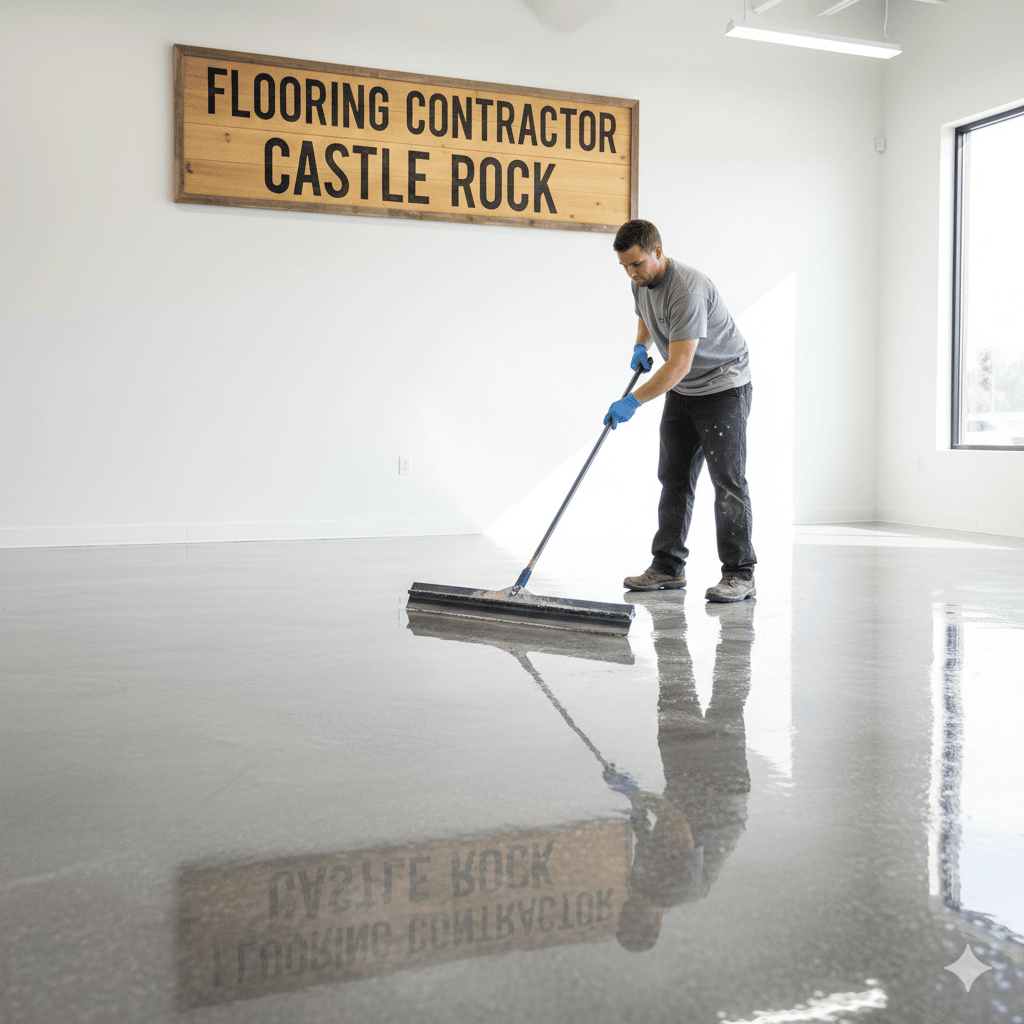
Before you pour a concrete overlay, you must prep the existing concrete. This is where it starts. Skip steps, and the overlay will fail.
Next: Patching. Find even small cracks. Fill them with concrete patching compound. Follow the instructions for mixing and application. If you don't, it won't bond, and the cracks will reappear.
Finally, test for moisture. This matters. Concrete is porous, and moisture can rise from the ground. If the existing slab is too wet, the overlay won't bond. Use a moisture meter to check the moisture vapor emission rate. If it's too high, apply a moisture barrier before the overlay. Ignore moisture, and you risk future delamination.
First, clean the existing surface. Remove all dirt, oil, paint, and anything loose. A pressure washer works well. You might need degreaser for stubborn spots.
Profiling helps adhesion. The overlay needs something to grip. Use a grinder or acid etching to create a rough surface. This creates "tooth" for the new material to bond to. Many DIYers skip this, but it's a mistake.
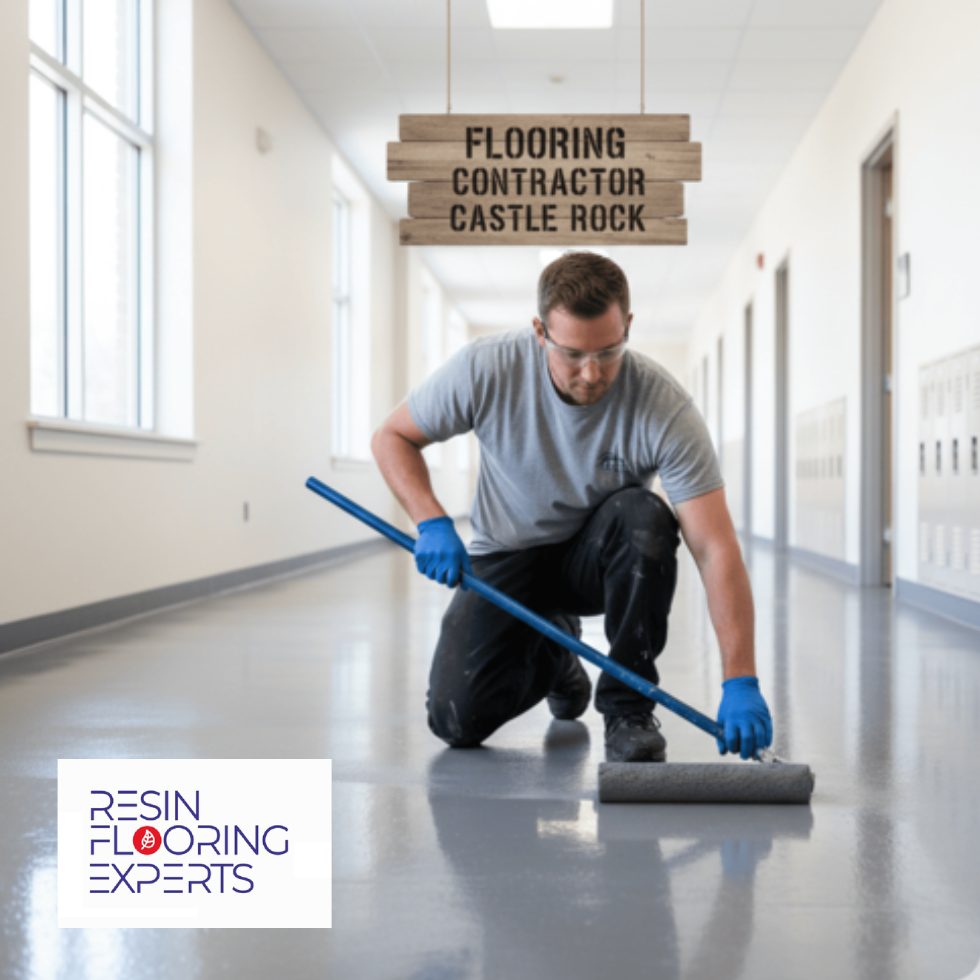
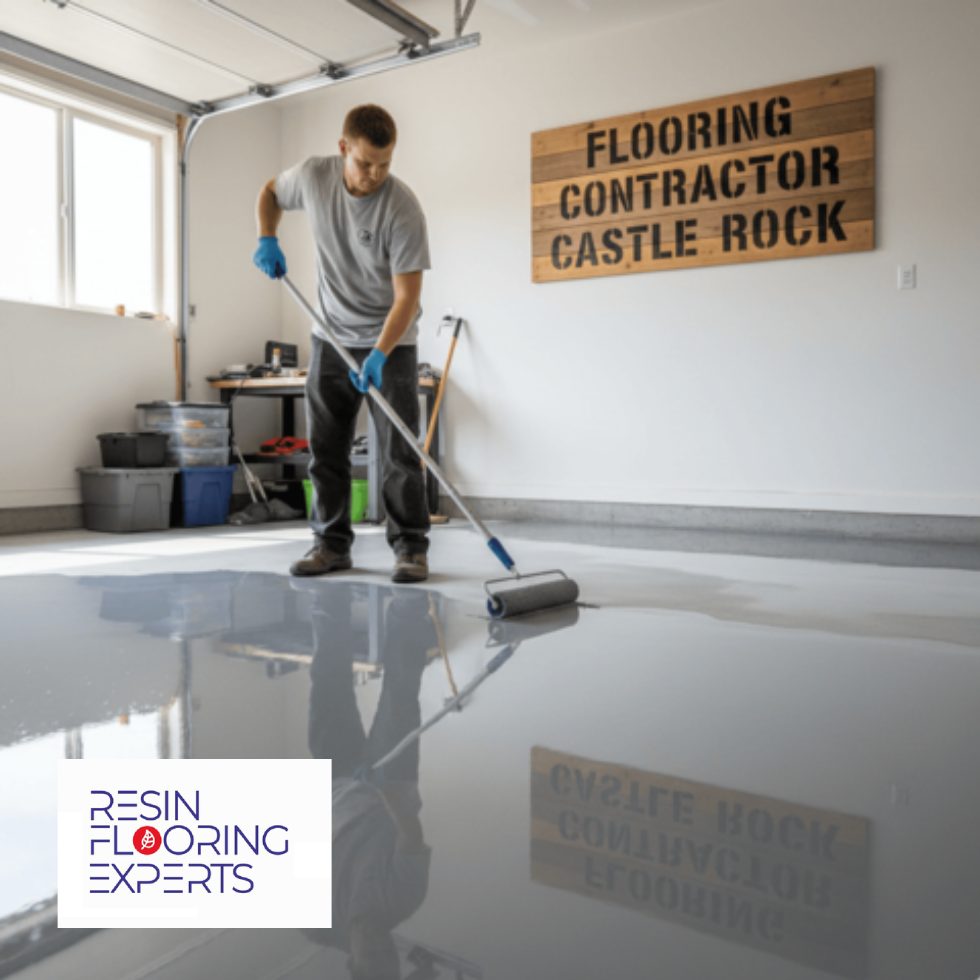
When you consider concrete overlays, remember that one size does not fit all. You have options, and your choice depends on your goals.
Self-leveling overlays work well if you have an uneven or damaged concrete floor. They create a smooth, new surface, like pouring a new floor on top of the old one. They are durable, so they work in places with foot traffic.
Next, you have micro-toppings. These are thinner and create a smooth finish or cover minor flaws. They won’t fix a severely cracked floor, but they can improve an existing floor's look.
Stamped overlays let you get creative. You can create patterns and textures that resemble brick, tile, or wood. These work for patios, walkways, or anywhere you want a decorative look. Keep in mind that intricate designs might cost more. Also, consider how the texture will stand up to wear. A heavily stamped surface might be harder to clean in a commercial space.
Durability matters. Think about the amount of traffic on the floor. A home kitchen differs from a warehouse. Looks also matter. Do you want something modern or rustic? These factors influence your overlay choice. Don't just pick what looks good; pick what will last and work for your needs.
Let's discuss how to mix and apply concrete overlays. Getting this right matters. Messing it up can cause cracking and delamination.
First, mixing. Follow the directions closely. Don't guess. Use the correct amount of water. Too much water weakens the mix and causes cracks. Too little makes it hard to work with and hurts the bond. Use a good mixer and mix for the recommended time to get a smooth blend. Scrape the bucket sides to add any dry material.
Next, application. Skill matters here. Troweling is common. Use even pressure and keep a steady angle for a smooth surface. Spraying works for texturing or thin coats, but you need the right tools and skills to avoid splatters or uneven coverage. Stamping depends on timing. Stamp when the overlay is soft enough to take the impression, but firm enough to hold the pattern. If it's too wet, the stamp will sink too deep. Too dry, and you won't get a good impression.
A common mistake? Poor surface prep. The concrete must be clean and sound for the overlay to bond. Also, control the environment. Temperature and humidity affect curing. You might need to adjust your mix or application based on the conditions.
You have a concrete overlay. Good job! Now, curing and sealing ensure the overlay lasts and works as expected. Think of it like watering a new tree.
Curing keeps the concrete moist as it gains strength. You have options. Wet curing involves covering the overlay with wet burlap or misting it with water. It is simple, but you must maintain it. Curing compounds are another option. Spray them on, and they trap moisture. This is convenient, but pick one that works with your sealer.
Begin curing right after the overlay is done. Keep it up for three to seven days. Do not skip this step. If the concrete dries too fast, it can crack and weaken.
Next is sealing. After the concrete cures, a sealer protects it from stains, chemicals, and wear. Acrylic sealers are affordable and easy to apply, but they might not last as long as epoxy or polyurethane sealers. Those are tougher, but they cost more and can be harder to use.
Wait 28 days after pouring the overlay before sealing. Ensure the concrete is cured and dry. Before applying sealer, clean the surface. Any dirt will get trapped. Two thin coats work better than one thick one. This prevents bubbles and ensures coverage.
Castle Rock presents unique challenges for concrete overlays, mainly due to its climate. Freeze-thaw cycles can harm your overlay if you aren't careful. Water enters, freezes, expands, and cracks form. This shortens the life of your flooring.
Also, the sun matters. Castle Rock has high UV exposure, which can fade and degrade the overlay. This is especially true if it lacks proper sealant or UV protection.
So, what can you do? Proper sealing is key. Use a quality sealer made to handle freeze-thaw cycles and block UV rays. Reapply it every few years, depending on the product and wear.
Good drainage also matters. Ensure water doesn't pool on the overlay, which speeds up freeze-thaw damage. A slight slope helps.
When choosing the overlay, don't skimp. Select a material made for outdoor use that can handle the Colorado climate. It might cost more now, but it will save you trouble and money later.
You have a concrete overlay. Great! Do you want it to last? Maintenance is key, but it's not too bad if you stay on top of things.
First, cleaning is important. Dirt and grime are abrasive. Over time, they wear down the sealant and the overlay. Sweep or vacuum to remove loose debris. Mop with mild detergent and water. Harsh chemicals can damage the sealant.
Next: resealing. The sealant protects the concrete from stains, moisture, and wear. How often should you reseal? That depends on traffic. A busy commercial space might need it every year or two. A home might need it every 3–5 years. Watch the surface. If water soaks in instead of beading, reseal.
Finally, repair damage quickly. Fix cracks and chips! Water can seep in and cause bigger problems, especially when it freezes and thaws. Patch small cracks with concrete repair compound. For bigger problems, call a professional. Letting damage linger worsens it and shortens the life of your overlay. Proper care extends the life of the overlay, saving money and trouble.
Your concrete overlay isn't working right. Cracks, peeling, color issues, and stains happen. Figure out the *why* before you try to fix it.
Let's talk cracks. Are they small, or are they large? Small cracks might be shrinkage, mostly in new overlays. Large cracks? The slab underneath might be moving. Or the overlay wasn't bonded well to begin with. Peeling happens when the overlay comes off. This is often a surface prep issue. Was the concrete ground enough? Was the concrete clean? Oil or dirt will hurt the bond.
Color issues and stains are harder to fix. What kind of stains? Oil? Rust? Something else? Some stains can be cleaned. Others are permanent. Color issues might be from the overlay. Maybe it wasn't mixed right, or the color wasn't put on evenly.
The fix depends on the issue. Small cracks can be filled with epoxy or concrete filler. Peeling? Remove the loose overlay and redo it. Make sure you prep the surface this time. Stains? Try a concrete cleaner. Color issues? A tinted sealer or a new overlay might be needed.
Don't guess at the issue. Look closely. Chip away a small area to see what's under it. A good diagnosis is key. Otherwise, you waste time and money.
Let's examine some real-world examples of how concrete overlays changed spaces in Castle Rock. Seeing is believing.
One project was a residential basement with a cracked, unattractive concrete slab. We used a self-leveling overlay to make a smooth, even surface. Then, we stained it to mimic polished concrete. The homeowners loved it! A drab basement became a modern living space. Proper prep was the key. We cleaned and patched cracks before applying the overlay. Cracks will show through the new surface if you skip that step.
Another example is a small retail shop that wanted a better look without the cost of replacing the floor. We used a micro-topping overlay. It's a thin option that works in many textures and colors. We added a custom stencil design to match their brand. The result was a lasting, stylish floor that improved their brand image.
Consider a recent patio project. The existing patio was spalling. We used a polymer-modified overlay for exterior use. It resists freeze-thaw cycles and UV damage. We also added a non-slip texture for safety. Now, they have a beautiful, safe outdoor space they can use for years.
I cannot share client testimonials because privacy matters. These overlays look great and add value and life to the property.
When you consider concrete overlays, especially for flooring, professional installation is a smart move. You could try a DIY approach, but hiring someone with experience offers real advantages.
First, expertise matters. Flooring contractors have the knowledge to assess your concrete. They can figure out the best overlay material for your needs and prep the surface correctly. Prep is important. If the concrete isn't cleaned well, the overlay won't bond. This can cause cracking later. You don’t want that.
Experience matters too. Pros have seen it all. They know how to handle tricky spots and unexpected issues. They also have equipment most homeowners don't, like concrete grinders and polishing machines. These tools make a difference in the result.
Most contractors offer a warranty on their work. If something goes wrong, you're covered. That peace of mind is worth a lot. A pro helps you get a lasting concrete overlay that you will enjoy.
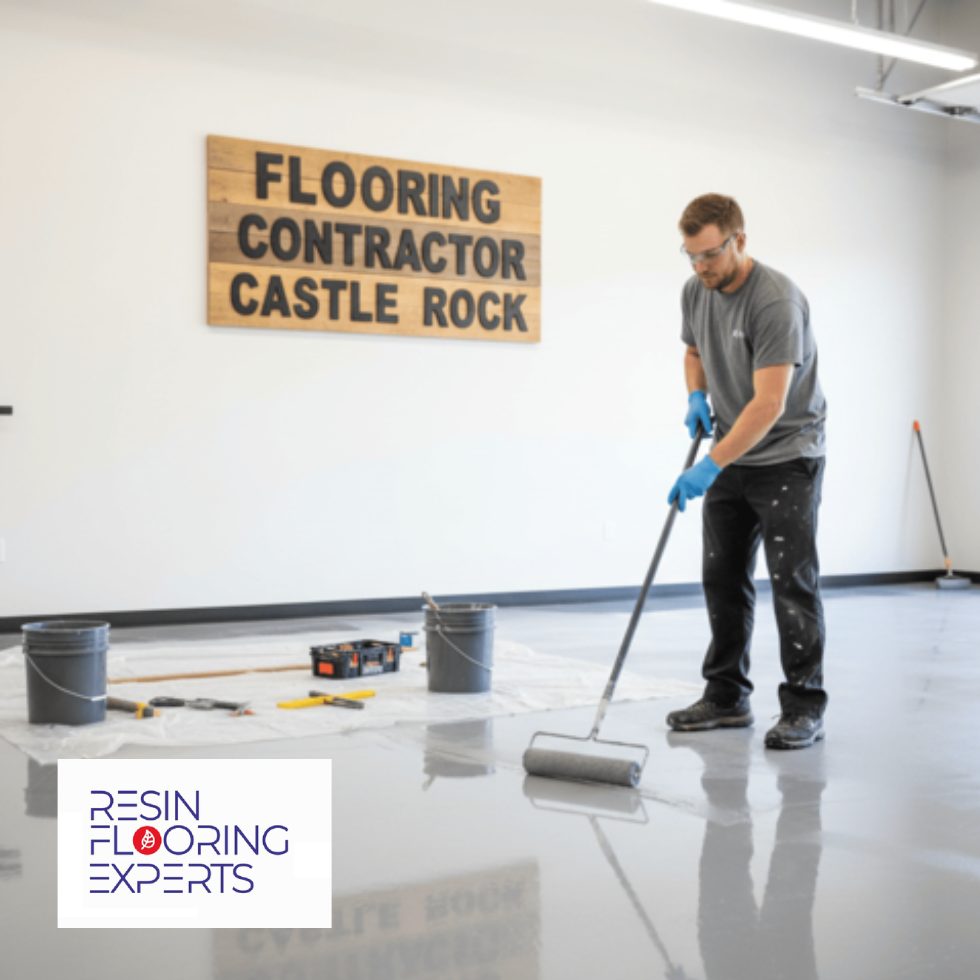
Thinking about a concrete overlay? Should you DIY or hire a pro? Let's break it down.
DIY is appealing because you save money. You only pay for materials, not labor. Consider your time, though. Concrete overlays aren't a quick project if you want good results. It could take days, maybe a week, based on the area size and design complexity.
Your skill matters. Do you know concrete work? Mixing, pouring, and troweling all require practice. A poor DIY job may cause cracks and uneven surfaces. You might spend more trying to fix errors.
Hiring a flooring contractor means you pay for skills. They have tools and experience, and they know how to handle problems. The cost is the downside. Professional installation costs more at first.
Think about the risk. A pro ensures correct surface prep, uses the right materials, and guarantees their work. They fix problems. If you DIY poorly, you are on your own. For homeowners, investors, business owners, property managers, and builders, that assurance may be worth the cost, especially with a large area or complex design.
Let's discuss the cost of concrete overlays in Castle Rock. The final price depends on several things. You can't just guess without considering the details.
First, there are the materials. The overlay type you choose impacts the material cost. Microtopping, self-leveling, and stamped overlays vary in price. Then there's the labor. A good crew is needed for a quality job, and skill costs money. Surface preparation matters too. If your existing concrete is cracked or uneven, it'll take more work to prep it. This might involve patching or grinding. Don't skip this step; proper prep ensures a lasting overlay.
Sealing is also important. A good sealer protects the overlay from stains and wear. The sealer type and the number of coats increase the overall cost. Expect to pay from $4 to $10 per square foot for a concrete overlay project in Castle Rock, based on these items. Getting a quote from a good contractor is the best way to get an exact estimate.
Concrete overlays are becoming more interesting. It's not the same as before. There is a push toward eco-friendly materials, which is good. Consider overlays that include recycled content or use more sustainable manufacturing. This matters, especially for clients who care about the environment.
Then there are the performance coatings. Things are becoming technical, but also impactful. Coatings now offer better resistance to abrasion, chemicals, and UV damage. Overlays last longer and look better, even in busy areas or harsh conditions. For example, polyaspartic coatings are gaining popularity because they cure fast and last a long time.
Application methods are also changing. It's not just about troweling on the overlay. More advanced methods, like self-leveling overlays, now create smooth surfaces with less work. Also, better tools and equipment make the whole thing more precise. Faster installations, better results, and happier customers are the result. Keeping up with these trends helps you offer the best service and stand out.
Thinking about new flooring? What does installation involve? It's more than just laying planks or tiles. It's the foundation of a room's look.
First, subfloor prep is key. If your subfloor is uneven, cracked, or damp, your new floor will fail. You'll get squeaks, warps, and maybe mold. We make sure it's level, dry, and clean before installing anything.
Next comes the actual installation. Different materials need different methods. Wood needs nails or glue. Tile needs mortar and grout. Vinyl plank often clicks. Each has tricks and pitfalls. Getting the layout right is also key, so you don't get odd tile pieces in the corners.
What if you mess it up? You'll see buckling, cracking, uneven surfaces, and wasted materials. Plus, you'll pay someone to fix it. It's often cheaper to do it right the first time, especially for real estate investors or property managers. Think about the long-term value.
Want your concrete overlay to last? Here's the secret. It comes down to prep work, the right mix, and sealing.
First, the existing concrete must be clean. Power-wash and scrub it. Fill any cracks. Remove any loose concrete. This is the foundation. If it's bad, the overlay will fail.
Next, the mix. Get a good concrete overlay mix. Follow the instructions. Too much water weakens it. Too little makes it hard to work with. Also, think about the weather. Will it freeze tonight? That's a problem.
Application matters. You want an even layer. Control joints are a must. Otherwise, the overlay will crack. Take my word for it.
Finally, sealing protects the overlay from water, salt, and other things that can ruin it. Use a good sealer, and apply it as directed. You might need multiple coats. Re-seal every few years, depending on wear.
Skip any of these steps, and you invite trouble. Cracking, peeling, and discoloration can happen. Nobody wants that. So, take your time, do it right, and your concrete overlay will look good for years. Or, hire a pro. They know this stuff.